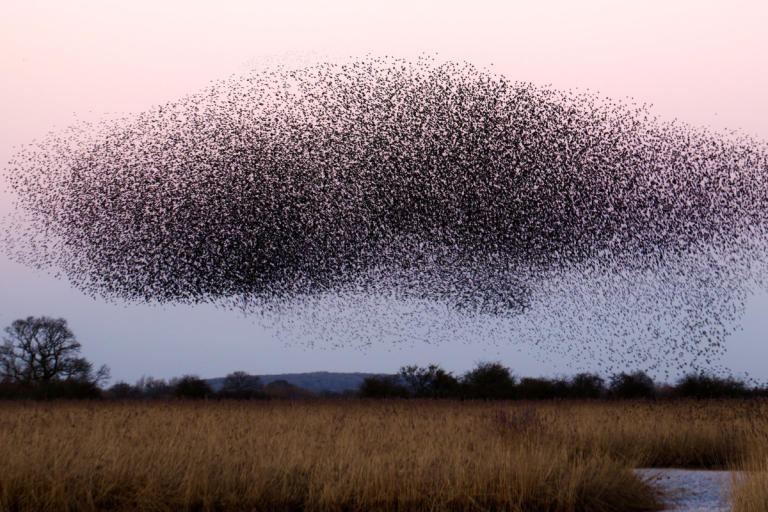
58-year-old Nkosentsha Njimbana died on November 4 after attempting to communicate with bees outside his home in Tamara, near Qonce, Eastern Cape, South Africa.
He tried to communicate with a swarm of bees outside his house last month, believing they were his reincarnated ancestors. The swarm retaliated and stung him to death, according to News24.
Many members of some African cultures believe that their ancestors will visit them in the form of bees or water monitor lizards to warn them that they have not been performing their traditional rituals.
“This is the most painful thing that has ever happened to our family. We don’t understand why they were so upset with him, especially since he had invited them to his home. “He never tried to chase them away violently,” Mandla added.
This phenomenon is a sign that the family should seek counsel from a healer to determine which rituals must be performed — and Njimbana’s failure to properly decode his ancestors’ message may be why the bees turned on him, said by Nqevu.

He also said that the proper way to greet bees that have moved into a Xhosa person’s home (the second-largest ethnic group in South Africa, after the Zulus) is to place soda, a saucer of sugar, and brandy on the floor where the bees are gathered.
“As a Xhosa, you don’t flee and call municipal workers to remove the bees because bees are your visitors,” Nqevu explained. “They are your forefathers. You greet them, thank them for their gifts, and promise to return to them in due course while you investigate the reason for their visit.”
According to Loyiso Nqevu, a traditional spokesperson, the subsequent attack indicated that Nkosentsha’s ancestors were dissatisfied with his response.
You can also read: Amazon Faces Lawsuit for Deceptive Tactics in Prime Subscription Service
The bees are supposed to buzz off after the ceremony, according to Nqevu, but it’s possible that the bees felt Njimbana was too quick to disperse their ancestors and didn’t take the necessary time to fully comprehend their message. He also stated that the ancestors are frequently enraged by relatives who fail to keep their promises.